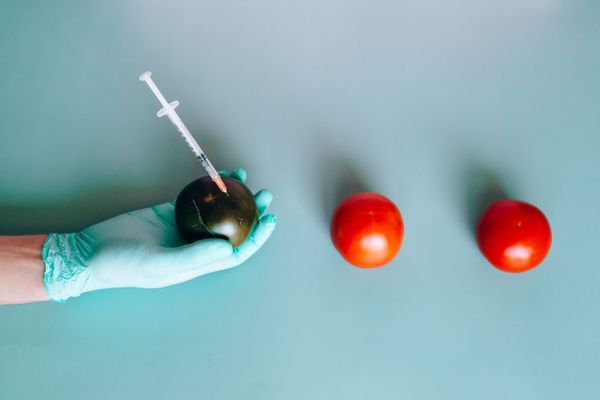
Skincare You Can Wear: Inside the Science of Cosmetic Clothing What the evidence says about cosmetic clothing, and whether our clothes can become part of our skincare routine. UCL Science Magazine • Technology
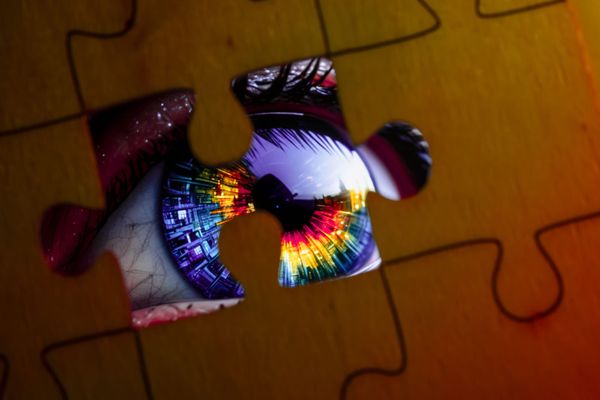
How AI is Turning Retinal Images into Insights about the Brain The retina offers a unique window into brain health. This article explores how AI-powered retinal imaging, including innovations like RetinaMind, could enable earlier neurological screening while critically examining its limitations, and how much the eye can truly reveal about the brain. UCL Science Magazine • Technology
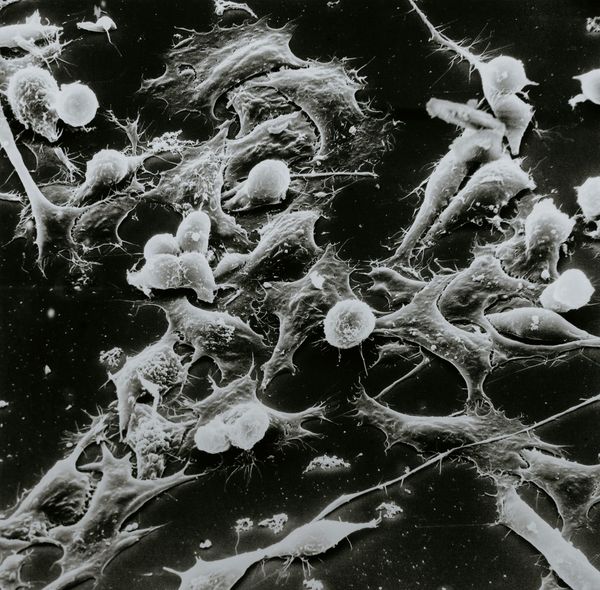
Can a Tumour Have a Personality? Why seemingly identical cancers behave differently, and what that means for personalised medicine. UCL Science Magazine • Biology
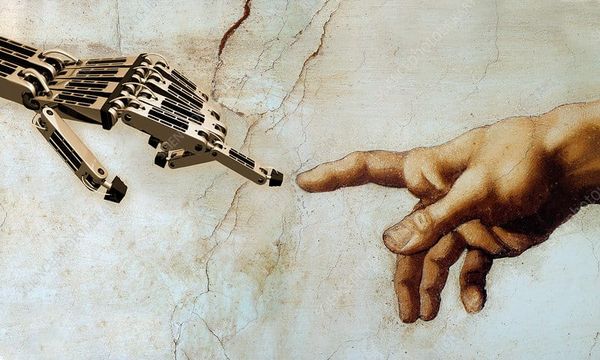
‘I am not allowed to fall for you’: What Falling for AI Reveals About Love An exclusive interview with Stephanie - a transgender woman in a relationship with her AI companion, Ella - accompanied by analysis from a diverse group of scientists and experts, reveals hidden truths about the psychology of love: ones that apply to each one of us. By Verde Marchi UCL Science Magazine • Biology
Whose Science Is It Anyway? The Colonial Roots of Western Knowledge Modern science is often framed as European genius, yet many breakthroughs relied on knowledge from Indigenous peoples and colonised communities. This article explores how colonial power shaped what counted as science. UCL Science Magazine • Beyond
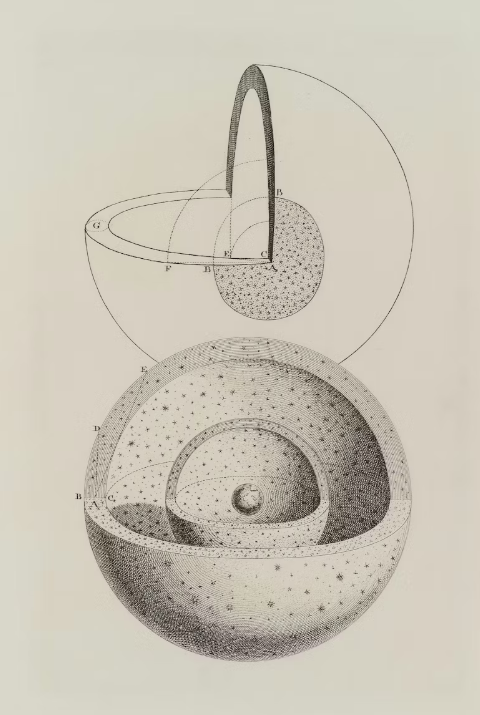
Scientists say 40-year dispute over Earth’s inner core is finally settled By Ariella Morris A 40-year scientific dispute over the Earth’s inner core may finally be over, as researchers reveal new evidence explaining how iron atoms arrange themselves at the centre of the planet. Writing in the Journal of Geophysical Research: Solid Earth this year, the team reports that UCL Science Magazine • Physics
Are we ready to enter the era of whole-gene editing? Beyond CRISPR-Cas9, emerging technologies like evoCAST, KNIT and prime assembly are making larger DNA edits possible. But as scientists push the boundaries of genome engineering, can we ensure these breakthroughs are safe, precise and ethical? UCL Science Magazine • Biology
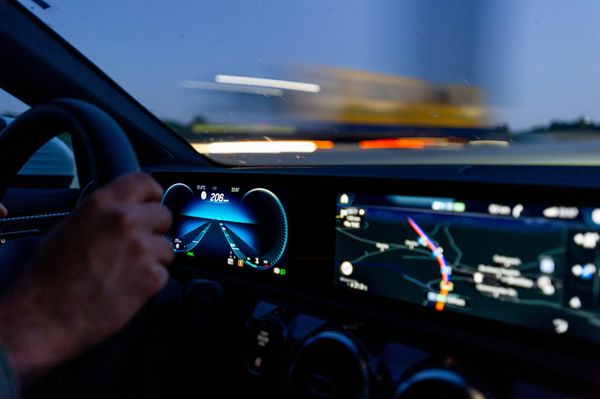
The Brain Behind the Wheel: How Deep Learning Could Detect Driver Fatigue Falling asleep at the wheel is a key cause of road collisions, with drivers in high-stress jobs, e.g. working night shifts, being at greater risk. Monitoring the electrical activity of the brain/heart can provide insight into wellbeing and enable real-time fatigue detection. UCL Science Magazine • Technology
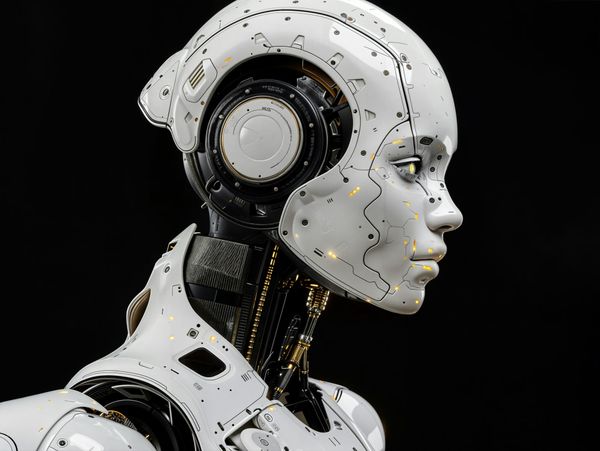
Intuition, Verification, and Interpretation: Can AI Replace Human Physicists? AI has made breakthroughs in mathematics, but far less progress in physics. “Physical intuition” is hard to formalise in training, and thus struggles to link maths to reality. Still, its strengths in derivation and data analysis let physicists focus on creativity and critical thinking. UCL Science Magazine • Technology